办公改造,先判断什么值得保留
Office Renovation Begins with What to Keep
办公改造不一定从拆除开始。旧空间里可能同时存在需要解决的使用问题、仍然合适的设施,以及只是观感过时的部分。先把这三类情况区分开,记录实际工作如何发生,再确定改动范围。把保留也当作设计决定,才能讨论哪些投入回应了真正的需求。
Office renovation need not begin with removal. An existing space may contain practical problems, facilities that still work well and elements that merely look dated. Separate these conditions and record how work happens before defining changes. Treating retention as a design decision helps relate effort to actual needs.
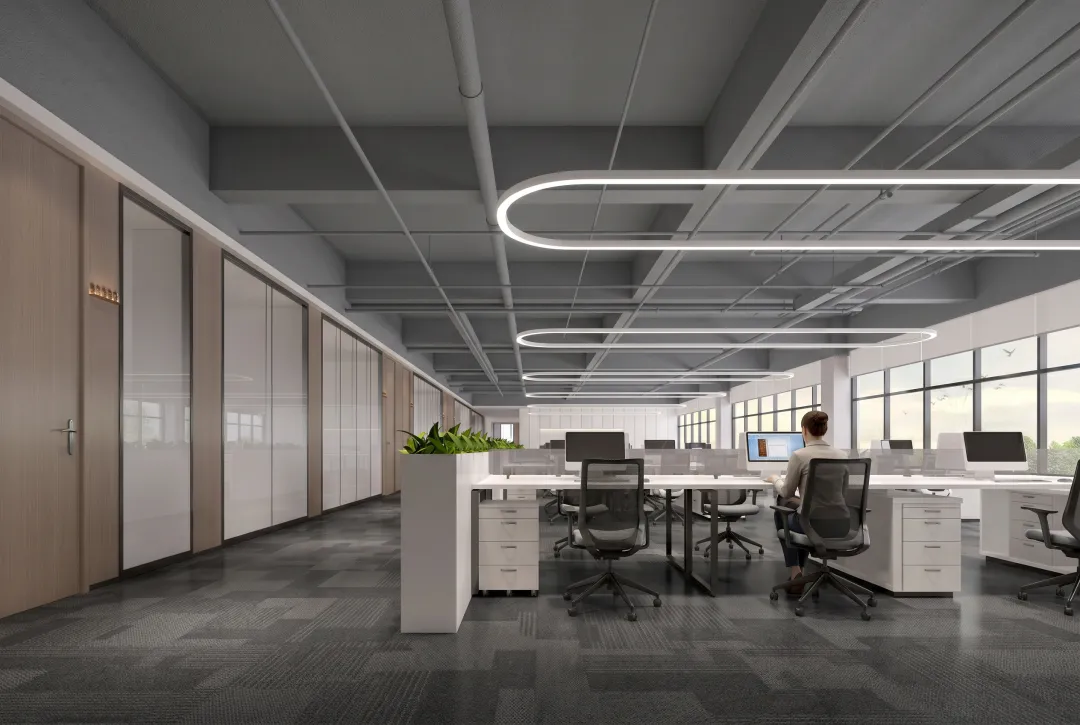
先记录现状与使用问题
Record Existing Conditions and Daily Difficulties
从走访和现场记录开始:哪些位置拥挤,哪些房间长期空置,哪里缺少收纳,设备维护是否方便。原有图纸可作线索,但需要与现场核对。把看得到的现象与尚未确认的原因分开,避免因为一处不便,就认定整套布局都要推倒重来。
Start with conversations and site records: where is circulation crowded, which rooms sit unused, where is storage missing, and can equipment be serviced? Existing drawings are useful leads but need checking on site. Separate visible symptoms from unconfirmed causes so one inconvenience does not automatically lead to replacing the entire layout.
例如,会议室总被临时占用,可能是缺少短谈位置,也可能是预约方式与实际使用不一致。先观察会议类型和持续方式,再比较增设空间、调整家具或改变使用安排。空间改动与日常管理可以共同讨论,不能互相替代判断。
For example, frequent impromptu occupation of meeting rooms may reflect too few places for brief conversations or a mismatch between bookings and use. Observe meeting types and patterns before comparing additional space, furniture changes or different usage arrangements. Physical changes and daily management need consideration together, without assuming one explains the other.
比较保留、调整与更新
Compare Retention, Adjustment and Renewal
保留既有家具和材料,可以减少重新配置的范围,但需要确认状态、尺寸与新布局是否匹配。局部更新容易控制影响,也可能留下新旧衔接问题。整体更新的协调面更广,应有明确理由,而不是仅凭一张新的效果图决定。
Keeping existing furniture and materials can reduce the scope of replacement, but their condition, dimensions and fit with the new layout need checking. Local renewal can limit disruption while introducing junctions between old and new. Full renewal requires broader coordination and a clear reason beyond a new rendering.
把每项调整写成可讨论的问题:它解决什么,保留会怎样,是否影响相邻区域,日后能否继续维护。对于看不见的基层、管线与连接,先安排必要核查再确定做法。不要用表面翻新掩盖尚未了解的现状问题。
Frame each change as a set of questions: what does it solve, what happens if it is retained, does it affect neighbouring areas, and can it be maintained? Check concealed substrates, services and connections as needed before choosing an approach. Surface renewal should not cover up existing conditions that remain poorly understood.
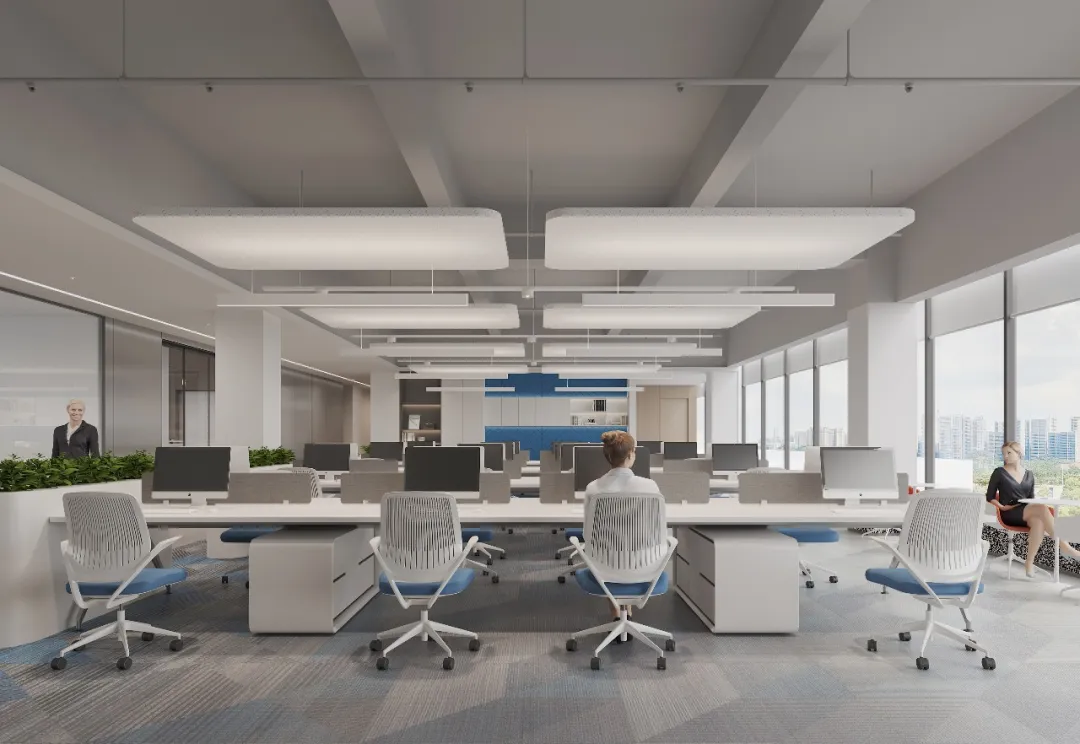
施工顺序与办公安排一起推演
Review Work Sequence and Office Use Together
若改造期间仍需办公,应先明确可以迁移的活动、需要保持的设备和暂时无法使用的区域。分段实施可以保留部分使用,但也增加界面交接和反复搬移。集中实施更便于统一协调,却需要安排替代工作地点,选择应依据真实条件。
If work continues during renovation, identify activities that can move, equipment that must remain available and temporarily unavailable areas. Phasing can retain some occupancy but adds interfaces and repeated moves. A concentrated programme can simplify coordination but requires an alternative workplace; choose according to actual conditions.
同时核对材料运送、家具暂存、清理和设备切换的路径,避免只安排施工区域而忽略相邻日常活动。涉及建筑、机电和物业管理条件的调整,应由相关人员共同确认边界。具体实施顺序需要现场协调,不能从通用文章直接套用。
Review routes for deliveries, furniture storage, cleaning and equipment changeovers, rather than planning only the work area and overlooking neighbouring activities. Changes involving the building, services and property management need boundaries agreed by the relevant people. The detailed sequence requires site coordination and cannot be copied directly from general guidance.
用真实任务检查改造结果
Check the Result Through Real Tasks
完成后,按进出、办公、会议、收纳与清洁走一遍,核对原先记录的问题是否得到回应。将遗留事项、调整责任与维护资料整理清楚,再观察一段实际使用中的新问题。改造的评价应回到具体任务,而不只比较前后照片是否更漂亮。
After the work, rehearse arrival, desk work, meetings, storage and cleaning, checking whether the recorded problems have been addressed. Organize outstanding items, adjustment responsibilities and maintenance information, then observe issues emerging in actual use. Evaluate the renovation through concrete tasks as well as before-and-after appearance.