茶水与休憩区,容纳不同的停留
Pantries and Breakout Areas for Different Kinds of Pause
茶水与休憩区里,有人只想接水就走,有人愿意坐下交流,也有人需要安静停留。把这些活动都放到同一张长桌旁,未必能兼顾彼此。先区分通行、操作和停留,再安排家具与设备,才能让空间在忙碌时段和短暂空闲中都有清楚的使用方式。
In a pantry or breakout area, some people want to get water and leave, some want to talk and others need a quiet pause. Putting all of them around one long table may not serve their different needs. Distinguish movement, preparation and staying before arranging furniture and equipment, giving the space a clear use in busy and quiet periods alike.
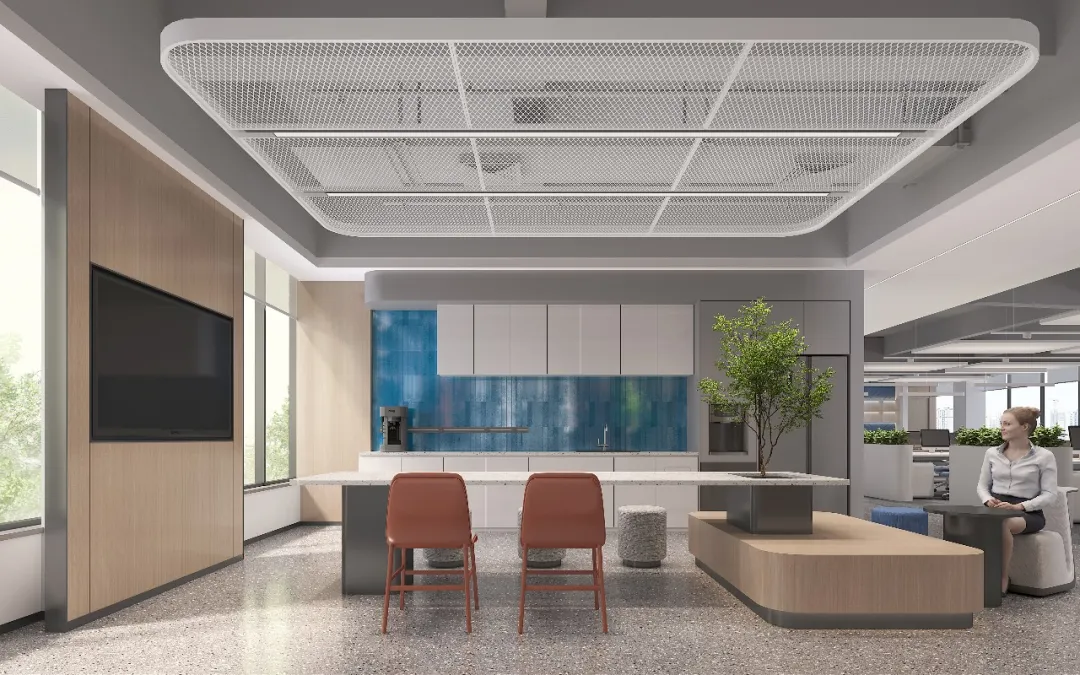
把操作与停留错开
Separate Preparation from Staying
取杯、接水、清洗与丢弃包装,构成一条反复发生的短动线。设备前需要停留,柜门和抽屉也需要打开,座位不宜恰好占据这些位置。先按真实动作演练,再判断操作台、垃圾收集和座位之间是否顺畅。
Picking up a cup, filling it, washing it and discarding packaging create a repeated short route. People pause at equipment, and cabinet doors and drawers need to open; seats should not occupy those same areas. Rehearse real actions before assessing the relationship between the counter, waste collection and seating.
例如,午间有人加热食物、有人整理餐具,其他人仍要经过。可以将等待位置与取物路线错开,并为用后的物品留出归还处。增加台面并不一定解决拥挤,如果所有动作都集中在同一个角落,排布仍需要调整。
For example, at lunchtime some people heat food and others handle tableware while colleagues pass through. Offset waiting spots from retrieval routes and provide a return point for used items. A larger counter alone may not solve congestion if every action still happens in one corner.
让座位对应不同节奏
Match Seating to Different Rhythms
短谈、用餐和独处可以拥有不同的座位关系。面向彼此便于交流,沿边的位置适合短暂停留,但不必把所有座位都设成高凳。座面、桌面与脚下空间需要实际试用,也要考虑不同使用者是否容易坐下与起身。
Brief conversation, eating and time alone can use different seating relationships. Facing seats support conversation, while edge positions can suit short pauses, but not every seat needs to be a high stool. Try seat and table relationships and legroom in practice, considering how easily different users can sit down and get up.
开放休憩区与工位相邻时,要留意交谈和设备声音。可比较移动座位、调整设备朝向或设置相对独立区域,而不是要求所有人始终轻声。空间应容纳交流,也应给不想参与交流的人保留选择。
Where an open breakout area adjoins desks, consider conversation and equipment sound. Compare moving seats, reorienting equipment or creating a more separate area instead of relying on everyone to speak quietly all the time. The space should support interaction while offering a choice to people who prefer not to join.
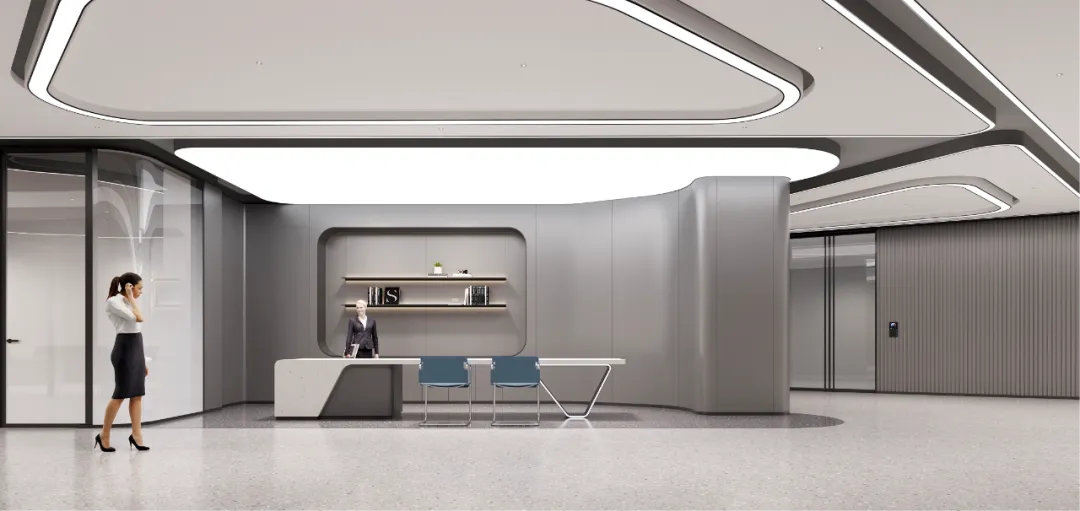
设备与清洁要早于装饰确定
Resolve Equipment and Cleaning Before Decoration
选定设备后,再核对开启、补水、散热与清洁空间,并与给排水、电气和通风条件协调。把设备塞进看似合适的柜格,可能让日常补充和维护很费力。任何固定安装都需要依据设备资料与现场条件,不能照着效果图推定尺寸。
Once equipment is chosen, check opening, refilling, ventilation and cleaning space alongside plumbing, electrical and ventilation conditions. Squeezing an appliance into a seemingly suitable cabinet can complicate daily replenishment and service. Base fixed installations on equipment information and site conditions, rather than inferred dimensions from a rendering.
台面、墙脚与柜体交界处应便于处理日常水迹和残留物。开放陈列看起来轻巧,却需要持续整理;封闭收纳较整齐,也要让常用物品容易找到。材料与收纳方式的取舍,应结合实际清洁频率、使用习惯和管理分工。
Countertops, wall bases and cabinet junctions should be easy to clean after everyday splashes and residues. Open display can look light but needs ongoing tidying; closed storage looks orderly but must keep frequently used items easy to find. Choose materials and storage around actual cleaning frequency, habits and management responsibilities.
用高峰时段检查方案
Review the Plan at Peak Use
检查清单可以围绕忙碌时的一轮使用:能否边等待边通行,杯具是否有清楚的归处,垃圾是否顺手投放,清洁人员能否接近设备下方。再检查安静时段是否仍有合适座位,让休憩区的评价同时包含热闹与独处。
Use a busy sequence as the checklist: can people pass those waiting, do cups have a clear home, is waste easy to deposit, and can cleaners reach beneath equipment? Then check whether suitable seats remain available for quiet periods, assessing the area for both sociability and time alone.