办公家具,先从一天的使用开始
Office Furniture Starts with a Working Day
办公家具的选择,可以从记录一天的动作开始:坐下打开电脑,转身讨论,取出资料,离开工位。桌椅在空房间里摆得整齐,并不代表使用时顺手。把人、设备和物品一起放进平面图,才能看清哪些尺寸需要保留,哪些配置只是看起来丰富。
Start choosing office furniture by recording the actions of a working day: sitting down at a computer, turning to talk, retrieving files and leaving a desk. An orderly layout in an empty room does not necessarily work well in use. Place people, equipment and belongings on the plan together to see which dimensions matter and which additions merely make the arrangement look fuller.
先区分工作,再决定家具
Define the Work Before the Furniture
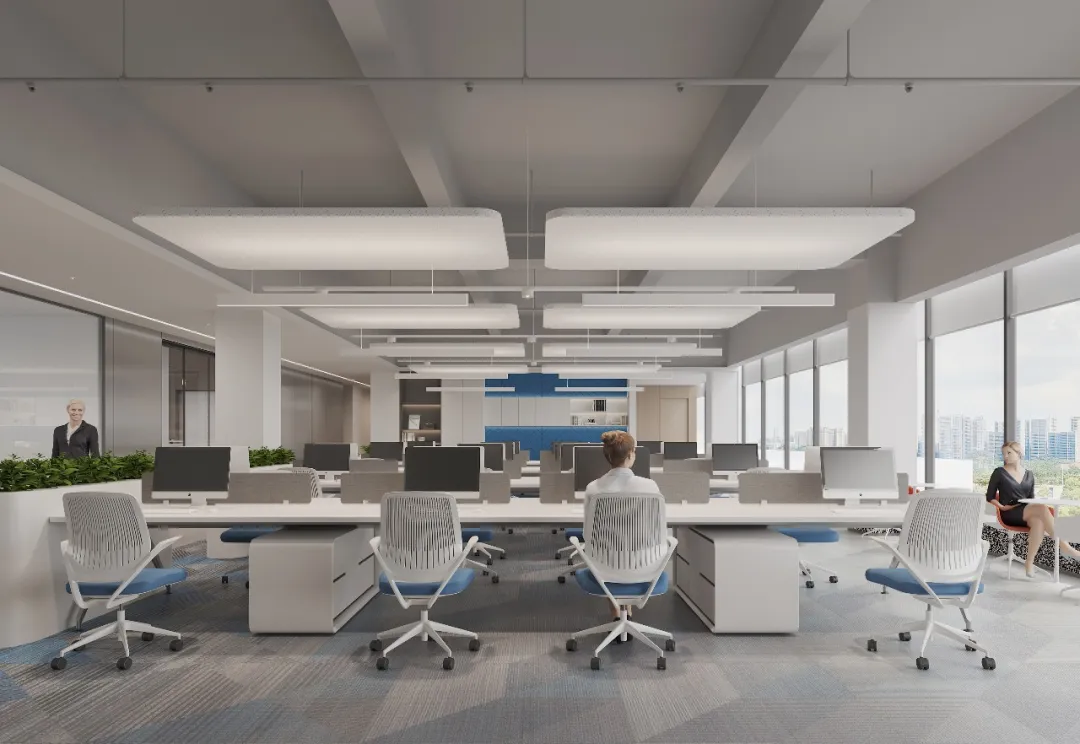
长期使用双屏的岗位,与只带电脑短暂停留的岗位,对桌面的需求不同。前者要考虑屏幕、键盘和纸面资料如何并存,后者更关注连接和归位。共享桌面还要明确个人物品存放位置,否则临时工位容易变成另一种固定占用。
A role that regularly uses two screens needs a different desk from someone visiting with a laptop. The former requires space for screens, keyboard and paper together; the latter needs convenient connection and clearing away. Shared desks also need a defined place for personal belongings, or temporary stations can become permanently occupied.
会议椅、休闲椅和工作椅也不宜只按外观统一。短谈可以接受较轻便的布置,长时间阅读则需要实际试坐、试靠和调整。先列出停留方式与使用时长,再讨论造型,能让不同家具之间形成有理由的差异。
Meeting chairs, lounge chairs and desk chairs should not be coordinated on appearance alone. Brief conversations may suit a lighter arrangement, while sustained reading calls for trying the seat, back support and adjustments. Define how and for how long people will sit before choosing forms, so differences between furniture types have a clear purpose.
把活动范围画进布局
Draw Movement into the Layout
桌子的边界不是使用的边界。椅子拉出、抽屉打开、邻座经过时,都需要额外空间。讨论布局时,应把这些动作叠加检查,尤其留意靠墙座位、转角和柜体旁的位置,避免静态图纸能放下,日常使用却互相让路。
The desk edge is not the limit of its use. Pulling out a chair, opening a drawer and walking past a colleague all need additional room. Overlay these actions when reviewing a layout, especially at walls, corners and beside cabinets, so a plan that fits on paper does not require people to keep making way for each other.
例如,一个经常一起看图的小组,可以把共享讨论面放在工位附近,但不必给每个人扩大整张桌子。这样需要权衡讨论声与安静工作的距离,也要确认投屏、资料放置和临时座位是否方便,而不只是添一张高桌。
For example, a team that frequently reviews drawings together might use a shared discussion surface near its desks without enlarging every individual desk. This requires balancing conversation with quiet work and checking access to screen sharing, document space and temporary seating, rather than simply adding a tall table.
用样品核对真实动作
Check Real Actions with Samples
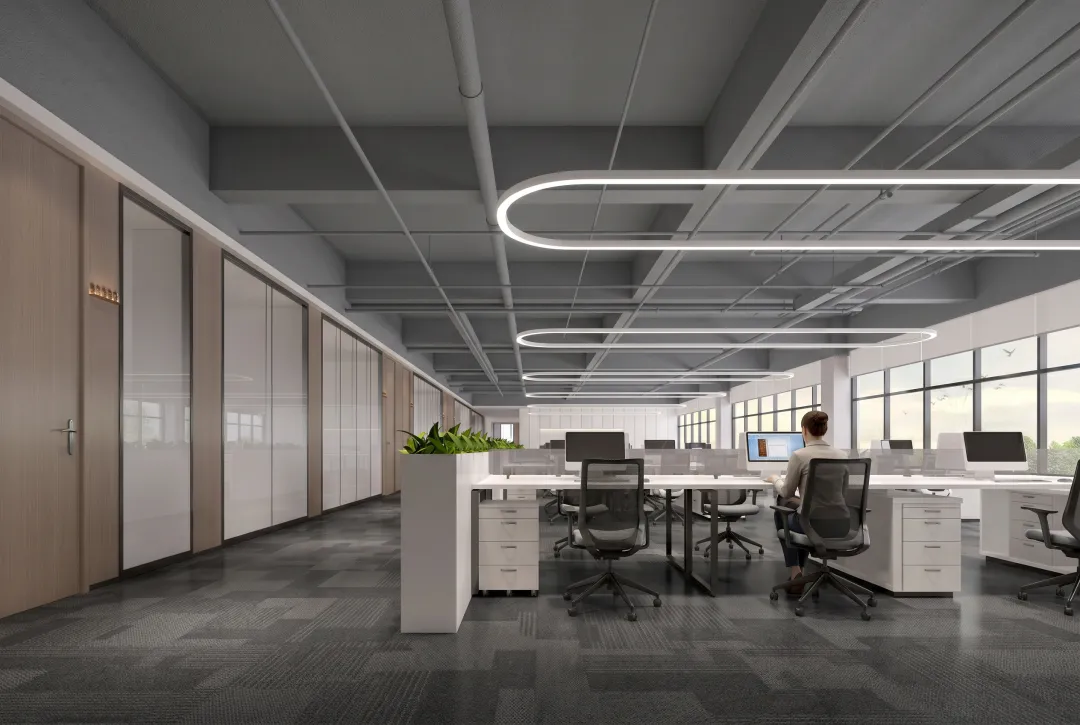
选型时,带上常用电脑、文件夹和随身包试用。检查手臂放置、脚下空间、椅子靠近桌面的状态,以及线缆会不会在调整家具时受拉。可调部件提供更多选择,也意味着操作说明、维护和替换需要一起考虑。
Bring the usual computer, folders and bag to a sample trial. Check arm placement, legroom, how the chair approaches the desk and whether cables pull when furniture moves. Adjustable components offer more options, but their instructions, maintenance and replacement also need consideration.
固定组合通常更容易保持秩序,独立单元则方便重新组合;选择取决于团队变化是否真实发生。若只是偶尔调座,可以先处理可拆连接和线缆余量,不必把所有家具都做成复杂的移动系统。
Fixed combinations can be easier to keep orderly, while independent units are easier to rearrange; the choice depends on how the team actually changes. If seats move only occasionally, removable connections and appropriate cable slack may be enough, without turning all furniture into an elaborate mobile system.
交付前走一遍日常
Rehearse the Day Before Handover
检查清单可以很具体:进出座位是否顺畅,柜门与椅背是否相碰,充电是否需要绕到桌下,清洁工具能否接近角落。保留样品确认记录,并区分需要现场调整的问题与需要重新选型的问题,让家具讨论回到可观察的使用体验。
Use a concrete checklist: is entering and leaving a seat easy, do cabinet doors hit chair backs, does charging require reaching under the desk, and can cleaning tools reach the corners? Keep records of sample approvals and distinguish on-site adjustments from choices that need reconsideration, grounding furniture decisions in observable use.